When Is Tree Pruning Necessary in Lugarno? Essential 2026 Guide to Avoid Dangerous Tree Problems
Tree Pruning becomes necessary when branches are dead, damaged, poorly positioned, interfering with structures or creating a potential safety concern. For Lugarno homeowners, timely pruning can help improve canopy structure, maintain suitable clearance and support the long-term health of established trees.
Properties across Lugarno, Oatley and Peakhurst often have mature trees growing close to homes, fences, driveways and outdoor areas. Knowing when pruning is genuinely needed helps you avoid unnecessary cutting while dealing with branches that may become a problem.
The aim should never be to remove branches simply because a tree looks large. Good pruning has a clear purpose and takes the tree’s species, condition, structure and surroundings into account.
Signs Tree Pruning May Be Necessary
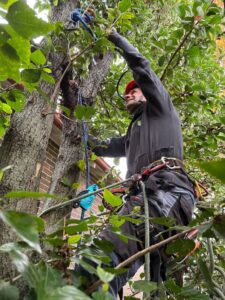
Trees naturally change shape as they grow, but some warning signs deserve closer attention. Homeowners in Lugarno and nearby Peakhurst Heights may notice branches gradually extending towards roofs, neighbouring properties or frequently used areas.
Common signs include:
- Dead or broken branches hanging within the canopy.
- Branches touching roofs, gutters or buildings.
- Limbs extending over driveways or outdoor areas.
- Crossing or rubbing branches that are damaging each other.
- Dense or poorly structured growth.
- Storm-damaged branches that have cracked or partially failed.
- Low branches restricting access beneath the tree.
- Weak branch attachments or visible splits around larger limbs.
A branch hanging over your property does not automatically mean the whole tree is unsafe. A qualified arborist can assess whether selective pruning, deadwooding or another type of canopy management is suitable.
Why Dead and Damaged Branches Need Attention
Deadwood is one of the most common reasons homeowners begin considering pruning. Dead branches no longer have the same living tissue and may become more likely to break as they deteriorate.
This matters when branches sit above pathways, cars, outdoor areas or neighbouring properties. Homes in areas such as Illawong, Alfords Point and Bonnet Bay can also have trees growing on sloped blocks, where accessing damaged branches safely may be more difficult.
After strong winds or heavy rain, inspect your trees from a safe position. Look for hanging limbs, fresh cracks, torn branches or sudden changes in the canopy.
Tree Pruning Near Houses and Other Structures
Mature trees add shade and character to established residential areas, but branches can gradually grow towards roofs, gutters, fences and walls.
Professional Tree Pruning can create suitable clearance while retaining as much healthy canopy as practical. Cutting branches back to random points can lead to poor regrowth and unnecessary wounds.
This is particularly relevant in established suburbs such as Mortdale, Penshurst and Hurstville, where trees and homes can sit relatively close together. Pruning should focus on what is needed rather than removing large sections of canopy without a clear reason.
Australian Standard AS 4373-2007, Pruning of Amenity Trees, provides guidance on recognised pruning methods such as deadwooding, crown lifting, formative pruning, selective pruning and crown reduction.
What About Branches From a Neighbour’s Tree?
Overhanging branches are a common issue around residential boundaries. You may want more clearance from your roof, fence, driveway or outdoor living area, but pruning a neighbouring tree requires careful consideration.
This situation can occur in built-up areas such as Padstow, Riverwood and Picnic Point, where mature vegetation may extend across property lines.
Avoid removing major branches simply because they cross your boundary. Heavy pruning on one side of a tree can affect canopy balance and may cause unnecessary damage.
Where approval is required, Georges River Council has processes for dealing with pruning work involving neighbouring trees. You should check the applicable requirements before arranging significant work.
Do You Need Council Approval in Lugarno?
Lugarno falls within the Georges River Council local government area, so tree work may be subject to Council’s tree management controls.
Certain protected trees require approval before pruning or removal unless the proposed work falls within an exemption. Factors such as tree size, trunk diameter and canopy spread can affect whether controls apply.
Before arranging Tree Pruning, check the current Georges River Council requirements for your particular tree and property. This is also worthwhile for homeowners in nearby Oatley, Peakhurst and Peakhurst Heights, which fall within the same broader local area.
Public trees on nature strips, parks and other Council-managed land should not be pruned privately. If a public tree needs attention, the correct approach is to report it to Council.
Can You Prune Small Branches Yourself?
Some light garden maintenance may be manageable yourself where the work is lawful and can be completed safely from ground level.
You may be able to remove small, easily accessible dead twigs or carry out minor maintenance without specialist equipment. Keep clear photos where necessary and avoid removing more material than the tree actually needs.
Homeowners in Bangor, Jannali and Oyster Bay may also have established trees growing close to fences or sloping sections of a block. If access is awkward, the branch is heavy or the work requires climbing, professional help is the safer option.
Never use ladders with chainsaws or attempt branches near powerlines.
How Often Should Trees Be Checked?
There is no single pruning schedule that suits every tree. Species, age, growing conditions, previous pruning and surrounding structures all affect how quickly work may become necessary.
Trees around Lugarno, Como and Woronora can vary considerably depending on slope, exposure and available growing space. A young tree may benefit from formative pruning, while an established mature tree may only need occasional selective work.
A practical approach is to inspect trees periodically and after severe weather. Green Vanguard can assess the tree as it currently stands rather than recommending pruning simply because a fixed amount of time has passed.
What Type of Tree Pruning Might Be Needed?
The type of pruning should match the problem you are trying to solve.
Common approaches include:
- Deadwooding: removing dead or broken branches.
- Crown lifting: removing selected lower branches to improve clearance.
- Selective pruning: removing specific branches while retaining the overall canopy.
- Formative pruning: improving the structure of younger trees.
- Reduction pruning: carefully reducing the length of selected limbs.
- Canopy thinning: selectively removing branches to improve structure where appropriate.
For properties in Padstow Heights and Revesby Heights, trees may also grow close to retaining walls, rear boundaries or elevated sections of the block. The right pruning method depends on the individual tree, not simply the suburb or property size.
Why Excessive Pruning Can Cause Problems
More pruning is not always better. Removing too much foliage can reduce the tree’s ability to produce energy and may encourage weak or excessive regrowth.
Poor practices such as topping or indiscriminate lopping can also damage the tree’s natural structure. Large, unnecessary cuts may create long-term problems rather than solving the original issue.
Good Tree Pruning aims to remove only what is needed while maintaining a stable, healthy canopy.
Frequently Asked Questions
Does every large tree need pruning?
No. A large tree does not automatically need pruning. If the canopy is healthy, structurally sound and clear of buildings or frequently used areas, monitoring may be all that is required.
Should I prune a tree if branches are touching my roof?
It is worth having the situation assessed. Suitable clearance can reduce rubbing against gutters, roofing and other structures, but pruning should follow the tree’s natural form.
Can pruning make a tree safer?
Correctly planned pruning can remove dead, damaged or defective branches and address certain structural concerns. However, pruning cannot remove every possible tree-related risk.
How do I know whether a tree needs professional attention?
Seek professional advice if you notice large dead branches, cracks, hanging limbs, storm damage, major canopy decline or branches that are difficult to reach safely.
When to Call a Professional
Call a qualified arborist when branches are large, high above the ground, damaged after severe weather, close to structures or difficult to assess safely. Professional advice is also useful when you are unsure whether Council approval is needed.
Green Vanguard provides tree assessments and pruning advice for Lugarno and surrounding suburbs including Alfords Point, Bonnet Bay, Oatley, Mortdale and Penshurst. An arborist can determine whether deadwooding, selective pruning, crown reduction, clearance pruning or simply continued monitoring is appropriate.
If you are unsure whether Tree Pruning is necessary at your Lugarno property, contact Green Vanguard for an assessment before arranging major work.
Conclusion
Pruning is most useful when there is a clear reason for doing it. Dead or damaged branches, poor clearance, storm damage and structural concerns can all justify closer assessment, while a healthy tree should not be heavily cut simply because it has grown large.
Whether your property is in Lugarno, Peakhurst, Riverwood, Padstow or nearby suburbs, check the relevant Council requirements before working on protected trees and avoid attempting high or hazardous branches yourself.
For professional Tree Pruning in Lugarno and surrounding areas, contact Green Vanguard to arrange an assessment and find out what your tree actually needs.