
Will a Tree Grow Back After Stump Grinding in Lugarno? Proven Answers for 2026
In most cases, a tree will not grow back from the stump after stump grinding because the main trunk and growing tissue are removed below ground level. However, some tree species can produce new shoots from remaining roots. Whether regrowth occurs depends on the species, root system, stump depth and overall health of the tree.
For homeowners in Lugarno, understanding what happens below the soil after a stump has been ground can help you decide whether further treatment is necessary. Similar concerns are common in nearby areas such as Oatley, Peakhurst Heights and Mortdale, where established gardens and mature trees can leave large root systems behind after removal.
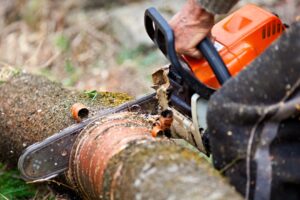
What Happens to a Tree After Stump Grinding?
A stump grinder uses a rotating cutting wheel fitted with specialised teeth to break the stump into small wood chips. The machine generally works below the surrounding soil level, removing the visible stump and the main section of the root crown.
The underground root system is usually left in place. Once the tree can no longer produce energy through its leaves, most remaining roots gradually die and decompose naturally in the soil.
This process does not happen overnight. Large structural roots can remain underground for several years while bacteria, fungi and other soil organisms slowly break them down. This is something homeowners in suburbs such as Peakhurst and Penshurst may notice when reworking older garden areas.
Can a Tree Grow Back After Stump Grinding?
For most trees, stump grinding greatly reduces the chance of the original tree growing back. Removing the stump destroys the main point from which new trunk growth would normally develop.
Regrowth is still possible with certain species. Some trees have strong root systems capable of producing shoots, often called suckers, from roots that remain alive underground.
Instead of seeing a new trunk emerge from the original stump, you may notice small shoots appearing in the lawn or garden nearby. This can also happen on properties in Padstow Heights, Revesby Heights and Picnic Point where mature trees have had time to develop broad underground root systems.
Why Do Shoots Sometimes Appear After Stump Grinding?
Roots store carbohydrates and other energy reserves while a tree is alive. After the main tree has been removed, surviving roots may use these reserves to produce new shoots.
This is the tree’s natural survival response.
You may see shoots appearing:
- Around the former stump location
- Along major underground roots
- Through nearby garden beds
- Between paving or landscaping
- Several metres away from the original tree
These shoots do not necessarily mean that the grinding job failed. They usually indicate that parts of the root system remain biologically active.
Properties in Illawong, Alfords Point and Bangor often have sloping blocks and established vegetation, so regrowth can sometimes appear away from the original stump where larger roots extend through the soil.
Repeatedly removing shoots can eventually exhaust the stored energy within the roots. Without leaves producing additional energy through photosynthesis, the remaining roots generally weaken over time.
Does Stump Grinding Remove the Entire Root System?
No. Standard stump grinding does not usually remove every root.
A mature tree can have a wide root network extending well beyond the trunk. Excavating all these roots could disturb lawns, gardens, retaining structures, underground services and nearby paving.
Grinding instead focuses on removing the stump and upper root crown while leaving deeper and more distant roots to break down naturally.
This approach often causes far less disturbance than physically digging out the entire stump and root ball. In built-up areas such as Riverwood, Padstow and Hurstville, reducing excavation can also help protect nearby paving, fences and services.
If you plan to build directly over the area, install a retaining wall, excavate deeply or complete major landscaping, tell your arborist before the work begins. Additional root removal or deeper grinding may be required.
How Deep Should a Stump Be Ground?
Grinding depth depends on what you intend to do with the area afterwards.
For a garden bed or lawn, grinding below the existing soil level may provide enough room to replace soil and establish new planting or turf. Construction or major landscaping may require deeper removal.
Other factors include:
- The diameter and species of the tree
- The size of the root flare
- Access for grinding equipment
- Nearby pipes, cables or structures
- Future plans for the site
Before mechanical work begins, underground services should be identified where relevant. Operators also need to assess obstacles such as fences, retaining walls and restricted side access, which can be common on properties in Bonnet Bay, Como and Oyster Bay.
What Should You Do If the Tree Starts Growing Back?
Small shoots are usually manageable if they appear after grinding.
Remove young shoots promptly before they develop substantial leaves. Doing this repeatedly prevents the surviving roots from rebuilding their energy reserves.
Avoid digging aggressively around large roots without understanding what is nearby. Tree roots can run close to plumbing, electrical services, paving and other infrastructure.
If shoots continue returning despite repeated removal, an arborist can identify the species and determine whether additional treatment is appropriate.
Green Vanguard can also assess whether the regrowth is coming from the original root system or from another nearby tree, whether the property is in Lugarno or surrounding suburbs such as Jannali and Woronora.
How Long Do Tree Roots Survive After Grinding?
There is no single timeframe because different species and root systems behave differently.
Fine roots can break down relatively quickly, while larger woody roots may remain underground for years. Roots that no longer receive energy from living foliage gradually decay and become part of the surrounding soil.
In many cases, you do not need to remove these roots unless they interfere with planned building or landscaping.
Allowing old roots to break down naturally can avoid unnecessary excavation and disturbance around your property. This can be useful on established blocks in Mortdale, Peakhurst and Oatley where gardens, paving and boundary structures may already sit close to the former tree.
Can You Plant Another Tree Where the Stump Was?
You can often reuse the area, but planting a new tree directly into the original stump location is not always ideal.
Remaining roots and wood chips can make digging difficult and may affect the soil structure while decomposition occurs. The old tree may also have depleted nutrients in the immediate area.
If possible, plant the replacement tree a reasonable distance from the previous stump. This gives the new root system more space to establish in undisturbed soil.
If the planting location is restricted, remove excess wood chips, add suitable soil and check that enough space exists for healthy root development. This is particularly useful on smaller residential blocks in Penshurst, Padstow and Peakhurst Heights where garden space may be limited.
Is Stump Grinding Better Than Leaving a Stump?
Leaving a stump is sometimes harmless, particularly in areas where it does not affect access, landscaping or safety.
However, unwanted stumps can interfere with mowing, create trip hazards, occupy usable garden space and make future landscaping difficult. As the stump decays, it may also attract fungi and insects that feed on dead wood.
Grinding provides a practical option when you want to restore the area without excavating the entire root system.
For many Lugarno properties, as well as homes in nearby suburbs such as Illawong, Alfords Point and Revesby Heights, reduced ground disturbance can make grinding more practical than complete stump excavation.
When to Call a Professional
You can usually remove small shoots yourself by cutting them close to ground level and monitoring whether they return.
Professional advice is more appropriate when regrowth is persistent, the stump is large, roots are affecting structures, or grinding equipment needs to operate near underground services.
You should also seek professional help when the original tree was large or located close to retaining walls, drainage, buildings or neighbouring property.
Green Vanguard provides stump grinding in Lugarno and services surrounding areas including Oatley, Mortdale, Padstow Heights, Bangor and Riverwood. The team can assess the stump, surrounding roots, access conditions and planned use of the area before recommending the appropriate grinding depth.
Frequently Asked Questions
Will stump grinding kill the roots?
Grinding removes the stump and usually causes the remaining root system to decline because it can no longer receive energy from the tree’s canopy. Some roots may remain alive temporarily and produce shoots.
Can roots damage pipes after stump grinding?
Once the tree is removed, roots generally stop actively expanding as they lose their energy source. Existing roots may remain around underground infrastructure until they gradually decompose.
Should I remove roots after stump grinding?
Usually, no. Roots can normally remain underground and decay naturally. Additional removal may be required if you are planning construction, excavation or major landscaping in the same area.
How soon can I landscape after stump grinding?
Basic landscaping can often begin once the hole has been cleared, settled and filled with suitable soil. For structures or significant excavation, have the remaining roots and ground conditions assessed first.
Conclusion
A tree will usually not return from its original stump after stump grinding, but some species can produce new shoots from surviving roots. Removing those shoots early and consistently will often allow the remaining root system to weaken and die naturally.
You generally do not need to excavate every root unless they interfere with construction, landscaping or nearby structures. The right approach depends on the tree species, stump size and how you plan to use the area afterwards.
If you have an unwanted stump or persistent tree regrowth in Lugarno, Green Vanguard can inspect the site and recommend an appropriate stump removal approach. Service is also available across nearby areas including Como, Bonnet Bay, Jannali, Oyster Bay, Picnic Point and Hurstville.