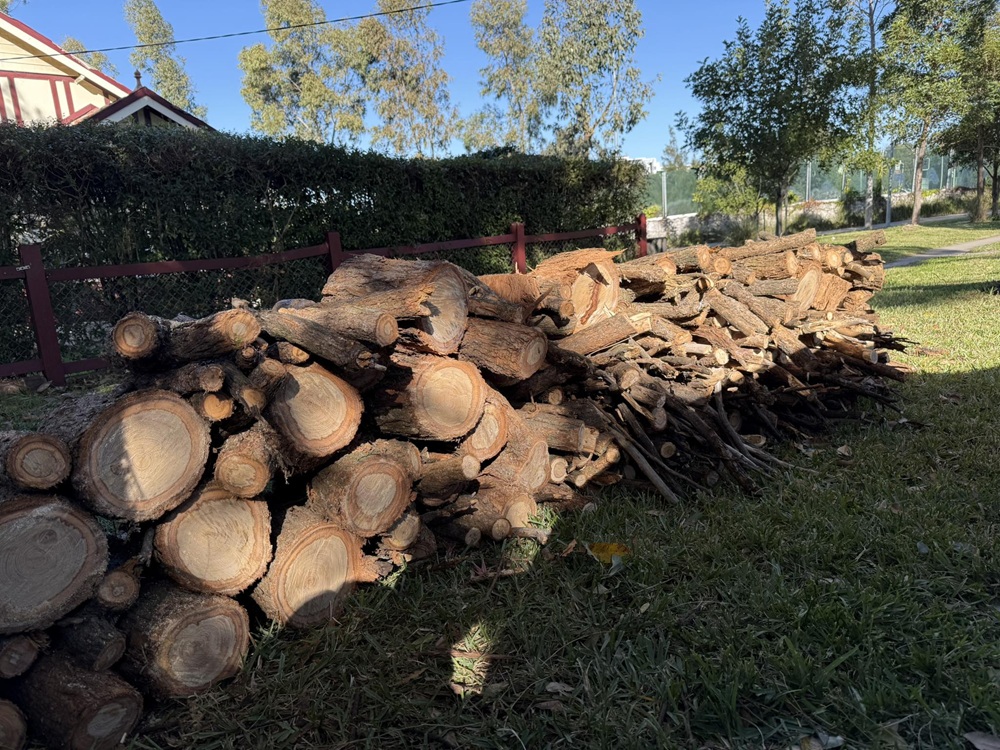
Renovating, extending, or building a new pool or driveway can put established trees at serious risk – even when the work happens metres away from the trunk. Trenching for services, compacting soil with heavy machinery, and changing site drainage can all damage a tree’s root system long before anyone notices a problem above ground. That’s exactly why a tree protection plan should be one of the first things arranged, not an afterthought once construction has already started.
What Is a Tree Protection Plan?
A tree protection plan is a documented strategy, usually prepared by a qualified arborist, that identifies which trees on or near a construction site need to be protected, and exactly how that protection will be achieved. It typically includes a tree protection zone (TPZ) calculated from the trunk diameter and canopy spread, fencing specifications to keep machinery and materials out of root zones, and guidelines for any excavation, trenching, or grade changes that must occur near the tree.
Why Councils and Certifiers Ask For One
Most Sydney councils require a tree protection plan as part of a development application where significant trees are present on or adjoining the site. This ties in closely with the arborist reports and council communication process – councils want documented evidence that trees worth retaining won’t be compromised by nearby works, and that any trees requiring removal have been properly assessed first.
Skipping this step can lead to delayed approvals, on-the-spot stop-work orders if damage is detected mid-project, and in some cases significant fines under local tree preservation orders.
What Damage Actually Looks Like
Tree damage from construction rarely shows up straight away. Root compaction from machinery, changes to soil grade, and severed roots during trenching can take months or even years to visibly affect a tree’s canopy. By then, the tree may already be structurally compromised, sometimes requiring removal at a cost far higher than the protection measures would have been in the first place.
Common Risks During Building Work
Soil compaction from repeated vehicle movement over root zones, trenching for plumbing, electrical, or stormwater lines that severs major roots, changes in soil level that smother roots or expose them to the surface, and chemical contamination from concrete washout or fuel spills near the root zone are among the most common causes of construction-related tree decline we see across Sydney.
How Green Vanguard Helps
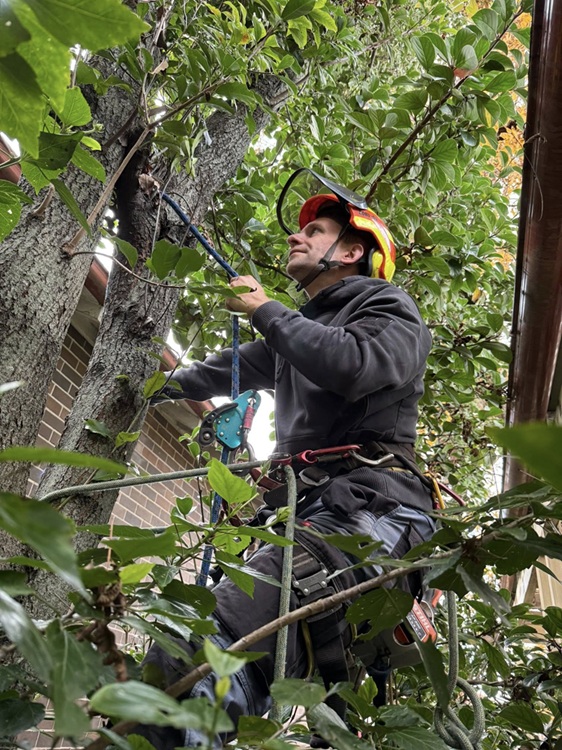
Our arborists prepare tree protection plans that satisfy council and certifier requirements, including TPZ calculations, protective fencing recommendations, and root-sensitive excavation guidance where trenching can’t be avoided. We can also provide ongoing monitoring throughout the build to confirm protection measures are holding up and the tree remains healthy from start to finish.
This service pairs well with our long-term tree maintenance programs, giving you a clear record of tree health before, during, and after construction – useful documentation if any dispute arises with council, neighbours, or your builder.
Planning a Renovation or Build?
If you have established trees on your property and you’re planning any renovation, extension, or new build across Lugarno, Illawong, Alfords Point, Bonnet Bay, Oyster Bay, Woronora, or the wider Sutherland Shire and St George area, get your tree protection plan sorted before the builders arrive.
Call Green Vanguard on +61 422 810 801 to arrange a site assessment.