What Is Dead Wooding and Why Is It Important for Trees? Essential Safe Guide for Lugarno 2026
Dead Wooding is the selective removal of dead, dying or broken branches from a tree while retaining healthy growth. It helps reduce the risk of falling limbs, keeps the canopy clear of damaged material and allows an arborist to identify other structural concerns. For property owners in Lugarno, it can be an important part of responsible tree maintenance.
Trees naturally shed branches over time, but dead limbs can become a problem when they remain suspended above driveways, gardens, roofs, paths or areas where people regularly walk. This is relevant across leafy suburbs surrounding Lugarno, including Oatley, Mortdale and Peakhurst Heights, where mature trees are common around established properties.
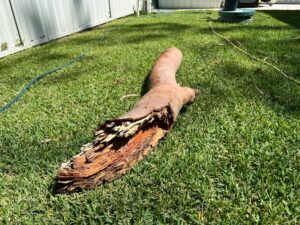
What Does Dead Wooding Involve?
Dead Wooding focuses specifically on removing branches that are no longer alive or are clearly failing. Unlike general tree pruning, the aim is not primarily to reshape the canopy or reduce its overall size.
An arborist will usually assess the canopy first, identify dead or defective limbs and determine the safest way to remove them. This can involve climbing techniques, elevated work platforms, ropes and controlled lowering systems where branches are positioned above buildings, fences or other obstacles.
Signs of deadwood can include:
- Branches with no leaves while surrounding branches remain healthy
- Dry, brittle or cracked timber
- Loose or peeling bark
- Broken limbs caught within the canopy
- Branches with visible decay or cavities
- Sections that snap easily rather than flexing
- Dead branch tips extending through otherwise healthy foliage
Some dead branches are obvious from ground level, while others are difficult to identify without inspecting the canopy closely.
Why Is Dead Wooding Important for Trees?
Removing dead branches is primarily about managing risk and maintaining the tree’s structure. A dead branch cannot repair itself or return to healthy growth. As the timber dries and deteriorates, its attachment to the tree may weaken.
Wind, rain and movement within the canopy can eventually cause weakened branches to break. This is particularly concerning when limbs extend over outdoor entertaining areas, parked vehicles, neighbouring properties, footpaths or buildings.
In suburbs such as Illawong, Alfords Point and Bonnet Bay, where homes often sit close to bushland or mature vegetation, keeping an eye on dead branches can help reduce avoidable hazards around frequently used parts of a property.
Dead branches can also obstruct a clear view of the tree’s healthy structure. Once they are removed, an arborist can more easily inspect branch unions, cavities, cracks and other defects that may require monitoring.
That does not mean every small dead twig requires professional pruning. Minor dead material is a normal part of how trees grow and age. The size, location, condition and potential consequences of branch failure should determine how urgently work is needed.
Dead Branches Can Become a Safety Risk
One of the main reasons property owners arrange Dead Wooding is the possibility of falling branches.
A branch may remain attached for months or even years after it dies. It can therefore appear stable until strong winds, storms or gradual decay cause it to break. Large branches can cause significant injury or property damage if they fall into an occupied area.
This is especially relevant for trees over driveways, garages, pools or outdoor areas in suburbs such as Como, Oyster Bay and Jannali. Even a branch that appears stable from the ground may have decay at the union or within the timber.
SafeWork NSW identifies falling objects, working at height, chainsaws and nearby powerlines among the major hazards associated with tree work. Its guidance also recommends assessing trees for issues such as decay, branch failure and root stability before work begins.
If a dead branch is large, high in the canopy or positioned over something valuable, avoid trying to remove it yourself.
Does Removing Deadwood Help Tree Health?
Removing deadwood does not automatically make an unhealthy tree healthy. However, carefully removing dead branches can improve canopy management and prevent damaged limbs from interfering with surrounding branches.
Good pruning also avoids unnecessary removal of healthy foliage. Leaves produce energy for the tree, so excessive pruning can place additional stress on a tree rather than helping it.
A qualified arborist should distinguish between genuinely dead material and healthy branches before cutting. The goal is controlled removal rather than aggressive lopping.
For established trees around Lugarno, Peakhurst, Penshurst and Hurstville, this distinction matters because larger trees may already be responding to previous pruning, nearby construction, soil changes, restricted root zones or natural ageing.
How Often Should Trees Be Checked for Deadwood?
There is no single inspection schedule suitable for every tree. Species, age, location, previous damage and exposure all affect how quickly dead branches develop.
You should inspect your trees from ground level periodically and take another look after significant winds or storms. Pay particular attention to branches over areas that people frequently use.
Consider arranging an arborist assessment when you notice:
- Large branches with no foliage during their normal growing period.
- Cracks where major limbs join the trunk.
- Hanging or partially broken branches.
- New dead sections developing through the canopy.
- Fungal growth, cavities or obvious decay near major branch unions.
- Dead branches above a house, driveway, pool, footpath or play area.
Properties in Bangor, Woronora and Revesby Heights may have trees on sloping blocks or near bushland edges, which can make access and branch removal more difficult. Avoid climbing the tree yourself to perform an inspection.
Tree Pruning Rules in Lugarno
Lugarno sits within the Georges River Council local government area, so local tree management rules need to be considered before pruning.
Georges River Council states that work on protected trees generally requires prior approval unless the work qualifies as exempt. Pruning that is limited to removing deadwood may fall within an exemption, depending on the current council rules and the nature of the work.
This distinction matters. Removing a dead branch is different from substantially reducing healthy canopy, reshaping a protected tree or removing the tree altogether.
Nearby suburbs such as Oatley, Peakhurst and Mortdale also fall within the Georges River area, while locations such as Padstow, Padstow Heights, Picnic Point and Riverwood may fall under different council requirements. If a property sits outside Lugarno, check the relevant council rules before arranging broader pruning or tree removal.
Public trees are also treated differently from privately owned trees. Street trees and trees on council land should be referred to the relevant local council rather than pruned by a private property owner.
Can You Remove Dead Branches Yourself?
Small dead twigs that can be reached safely from the ground may sometimes be manageable without specialist equipment. You should still use suitable hand tools, keep people clear of the work area and avoid cutting branches where their fall cannot be controlled.
Do not climb a tree with a chainsaw or attempt large overhead branches without appropriate training and equipment.
Tree work involving elevated cutting, unstable branches or nearby powerlines carries serious risk. Larger trees in areas such as Padstow Heights, Revesby Heights and Alfords Point may also be difficult to access safely because of sloping ground, retaining walls or limited side access.
If electricity lines are nearby, do not attempt the work yourself.
Dead Wooding for Established Trees Around Lugarno
Mature trees can be a major feature of properties throughout Lugarno and surrounding suburbs, but larger canopies also require closer attention as trees age.
A tree in Penshurst or Hurstville may have limited growing space between buildings, while properties in Woronora, Bonnet Bay or Illawong may be closer to bushland. In each situation, the location of dead branches matters just as much as their size.
Trees around Peakhurst Heights, Jannali and Oyster Bay may also extend over neighbouring fences, driveways or outdoor areas. Targeted pruning can help remove dead material while keeping healthy canopy intact.
The aim should always be to address the specific risk rather than remove more of the tree than necessary.
When to Call a Professional
Professional help is appropriate when dead branches are large, high, difficult to access or positioned above structures and regularly used areas.
You should also seek advice if several major limbs are dying at once. Widespread dieback may indicate that the tree needs a broader assessment rather than simple pruning.
If you have dead or potentially unsafe branches on a property in Lugarno or nearby areas such as Peakhurst, Mortdale, Oatley, Bangor, Riverwood or Picnic Point, Green Vanguard can assess the tree and determine whether targeted pruning is suitable.
A professional inspection can help separate routine deadwood removal from structural problems that require further attention.
Conclusion
Dead Wooding removes dead, broken or dying branches while preserving healthy sections of the canopy. It can reduce hazards around your property, improve access for tree assessment and help prevent weakened limbs from remaining above buildings, vehicles and frequently used outdoor spaces.
Whether you are in Lugarno, Como, Padstow, Penshurst or another nearby suburb, check your trees from ground level and avoid tackling large overhead branches yourself. If you are concerned about dead branches, contact Green Vanguard for an assessment and practical advice on the safest next step.
FAQs About Dead Wooding in Lugarno
What is the difference between deadwooding and tree pruning?
Deadwooding specifically removes dead, dying or broken branches. General pruning may also involve healthy branches to manage clearance, structure, growth or canopy shape.
Does removing dead branches damage a tree?
Proper removal of genuinely dead branches should avoid unnecessary damage to healthy growth. Poor cuts or excessive pruning can cause problems, which is why larger work should be carried out using appropriate arboricultural methods.
Do I need council approval to remove deadwood in Lugarno?
Requirements depend on the type of tree work and the relevant local council rules. Deadwood removal may be exempt in some circumstances, but broader pruning or removal can require approval.
Should dead branches always be removed immediately?
Not every small dead twig requires urgent work. Large branches, hanging limbs and deadwood positioned over people, buildings, vehicles or other high-use areas should receive more urgent attention.